


Is Your Lawn Fighting Fungus? Here’s What to Look For
Jun 16
4 min read
Lawn fungus can quickly turn a lush, green yard into a patchy, brown mess. Many homeowners panic at the first sign of discoloration, often overwatering or applying random products that may do more harm than good. The key to managing lawn fungus lies in understanding what causes it, recognizing the symptoms early, and taking smart steps to prevent it from spreading. This guide offers practical advice to help you keep your lawn healthy and resilient, based on professional insights from myLawn! Turf & Tree.
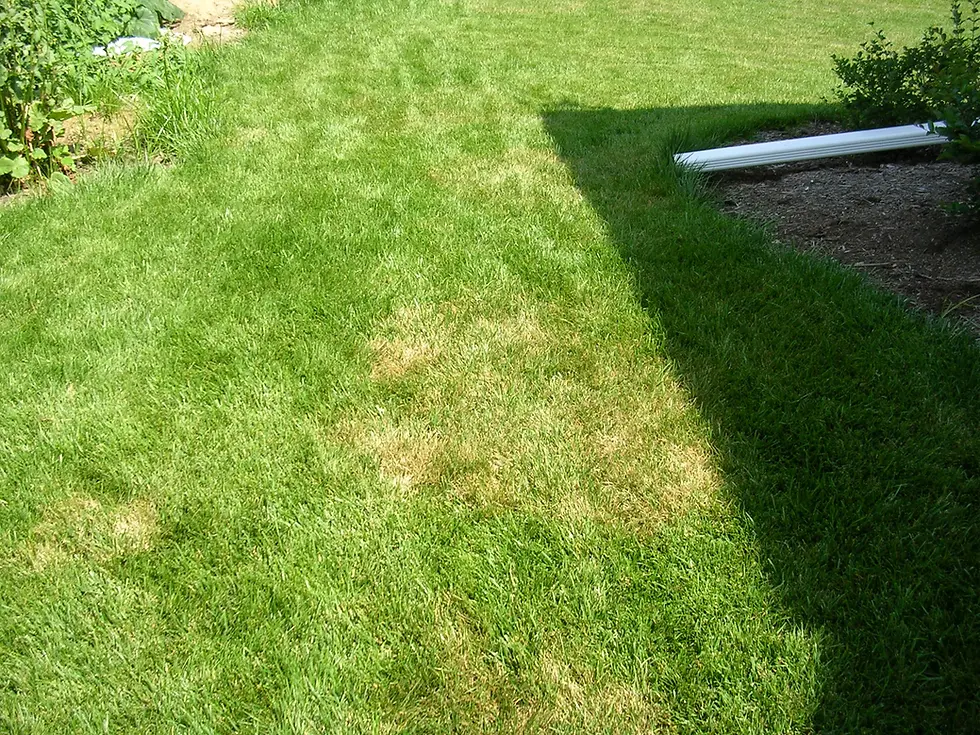
Brown circular patches on grass blades are a common sign of lawn fungus.
Why Lawn Fungus Usually Shows Up
Fungal diseases rarely appear out of nowhere. The fungi that cause these problems live in the soil or on grass blades but only become visible when the lawn is stressed or environmental conditions favor their growth. Understanding these triggers helps you reduce the risk of infection.
Warm nights and high humidity keep grass blades wet for long periods, creating an ideal environment for fungi to thrive.
Heavy dew and cloudy weather prevent the lawn from drying quickly, increasing moisture levels on leaf surfaces.
Weak roots and compacted soil limit the grass’s ability to absorb water and nutrients, making it less able to recover from damage.
Shallow or saturated watering either deprives roots of moisture or drowns them, both of which stress the lawn.
Short mowing and dull mower blades cause extra stress by damaging grass blades and reducing photosynthesis.
Heavy nitrogen fertilization during hot or humid weather promotes soft, lush growth that traps moisture in the canopy.
Shade, fences, dense landscaping, and low-lying areas slow airflow and drying, increasing disease pressure.
By addressing these factors, you can create a lawn environment that discourages fungal growth.
What Lawn Fungus Looks Like
Identifying lawn fungus early is crucial for effective management. Here are common symptoms to watch for:
Circular or irregular brown patches that expand during humid weather.
Tan, yellow, brown, or straw-colored areas that do not improve with normal watering.
Grass blades with spots, lesions, or dark borders, sometimes with bleached tips.
Areas that appear matted, greasy, smoky, or water-soaked in the morning.
Damage concentrated in shaded or low airflow areas where moisture lingers.
Symptoms that appear after several warm, humid nights or heavy dew.
Keep in mind that not every brown spot is caused by fungus. Heat stress, drought, or mechanical damage can produce similar symptoms. Careful observation and, if needed, professional diagnosis are important.
First Steps to Take When You Spot Fungus
When you notice signs of lawn fungus, avoid rushing to apply fungicides or overwatering. Instead, follow these steps:
Observe the affected areas carefully to determine the extent and pattern of damage.
Reduce lawn stress by adjusting watering schedules to avoid overwatering or shallow watering.
Raise mowing height slightly and sharpen mower blades to reduce plant stress.
Improve airflow by trimming nearby shrubs or thinning dense landscaping.
Avoid heavy nitrogen fertilization until the lawn recovers.
Water early in the morning to allow grass blades to dry before sunrise and avoid the grass being wet as the sun sets.
If symptoms continue to spread or are unclear, contact a lawn care professional for an onsite diagnosis and treatment plan.
How to Reduce the Chance of Lawn Fungus Getting Worse
Preventing lawn fungus from worsening involves managing the conditions that favor its growth:
Water deeply but infrequently to encourage strong root development and avoid saturated soil.
Use short syringing cycles during extreme heat and drying winds to lightly cool the grass blades and reduce stress..
Mow regularly at the recommended height for your grass type, keeping blades sharp.
Aerate compacted soil to improve root growth and drainage.
Apply balanced fertilizer based on soil tests, avoiding excess nitrogen during hot, humid periods.
Remove thatch buildup that can trap moisture and harbor fungi.
Choose disease-resistant grass varieties when planting or overseeding.
Maintain good lawn hygiene by cleaning mower blades and removing infected clippings.
These practices help your lawn resist fungal infections and recover faster if disease occurs.
When to Involve a Lawn Care Professional
Some lawn fungus problems require expert attention. Consider professional help if:
The fungus spreads rapidly despite your efforts.
Symptoms are unclear or you cannot identify the cause.
You want a precise diagnosis and targeted treatment.
You prefer a customized lawn care plan to prevent future issues.
How to Take Helpful Lawn Photos
When sending photos of a possible lawn disease issue, please include several clear pictures so we can better understand what is happening. One close up photo is usually not enough because many lawn problems can look similar.
Please send the following photos:
-A wider photo from 10 to 15 feet away so we can see how the damaged area fits into the rest of the lawn.
-A photo from about 5 feet away so we can see the shape, size, and pattern of the damaged area.
-A close up photo of the grass blades so we can look for spotting, lesions, discoloration, thinning, or other signs of disease activity.
-A photo of the edge where healthy grass meets damaged grass. This transition area is often one of the most helpful places to evaluate.
-For best results, take photos in natural daylight. Avoid taking pictures at night, in deep shade, or with heavy shadows across the lawn. Make sure the photos are in focus and try not to use digital zoom. It is better to step closer than to zoom in.
-Please send original photos when possible instead of screenshots, since screenshots can make important details harder to see.
-Also include a short note with the photos telling us:
-When the problem first appeared
-Whether it is spreading
-How often the lawn is being watered
-When the lawn was last mowed
-Whether anything unusual happened recently, such as extreme heat, heavy rain, irrigation changes, fertilizer, mower damage, or construction activity
*If needed, we can provide onsite diagnosis, recommend appropriate fungicides if needed, and guide you on cultural practices to keep your lawn healthy.


Comments